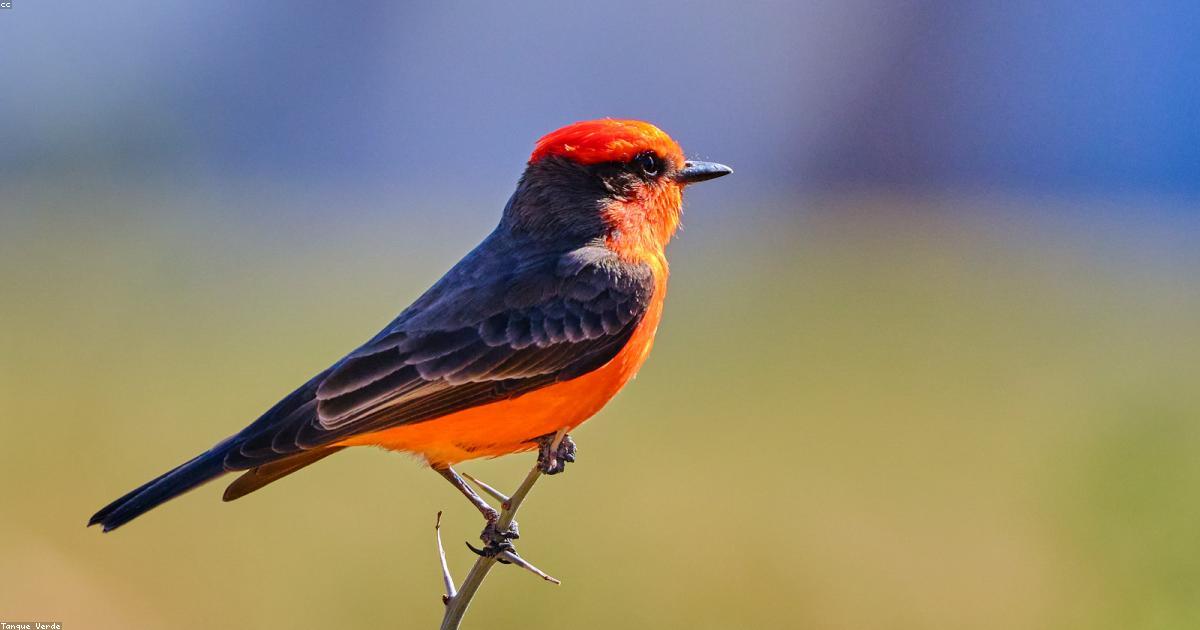
For many pet owners, the backyard bird feeder is a source of daily entertainment, both for themselves and for their cats who watch from the windowsill. But our desire to attract and enjoy wild birds comes with a responsibility to protect them, especially from the very pets that find them so fascinating.
The Scale of the Problem
Domestic cats are one of the leading causes of bird mortality in the United States. A landmark study published in Nature Communications estimated that free-ranging cats kill between 1.3 and 4 billion birds annually in the U.S. alone. While feral cats account for the majority of these deaths, pet cats that spend time outdoors contribute significantly to the toll.
This is not a reason to vilify cats. They are following instincts that are millions of years old. But it is a reason to think carefully about how we manage the intersection of pet ownership and wildlife conservation.
Making Your Yard Safer for Birds
If you enjoy feeding wild birds, there are several evidence-based strategies to reduce the risk to them. Place bird feeders at least five feet off the ground and at least ten feet from any structure a cat could use as a launching point. Tube-style feeders mounted on poles with baffles are more difficult for cats to access than platform feeders.
Plant dense, thorny shrubs near feeding areas to give birds a quick escape route. Species like hawthorn, holly, and barberry provide both cover and natural food sources. Avoid placing feeders near windows where indoor cats might become agitated, which can cause stress for the cat and window-strike injuries for the birds.
Window Collisions: A Hidden Danger
Bird feeders near windows create another hazard: window collisions. An estimated one billion birds die from window strikes in the United States each year. Birds see the reflection of sky and trees in glass and fly directly into it. Placing decals, films, or external screens on windows near feeders can dramatically reduce this risk. Products like bird tape and UV-reflective stickers are inexpensive and effective.
Keeping Cats Safe Too
The strategies that protect birds also protect cats. Outdoor cats face numerous dangers including traffic, predators, disease, and toxin exposure. Keeping cats indoors or providing supervised outdoor time in an enclosed space like a catio allows them to enjoy fresh air and sunshine without putting themselves or wildlife at risk.
For cats that are accustomed to free outdoor access, the transition to indoor living can be managed gradually with increased indoor enrichment. Interactive toys, climbing structures, and window perches with views of bird feeders can satisfy much of the hunting instinct without any actual hunting.
Community Efforts Making a Difference
Many communities are implementing trap-neuter-return programs for feral cat colonies, which humanely reduce feral cat populations over time. Some neighborhoods have also established “wildlife-friendly yard” certification programs that recognize homeowners who take steps to protect local bird populations.
A Balance Worth Pursuing
Loving cats and caring about wild birds are not contradictory positions. With thoughtful management, we can create backyards that bring joy to our pets, delight us with birdsong, and support the ecosystems we all depend on.