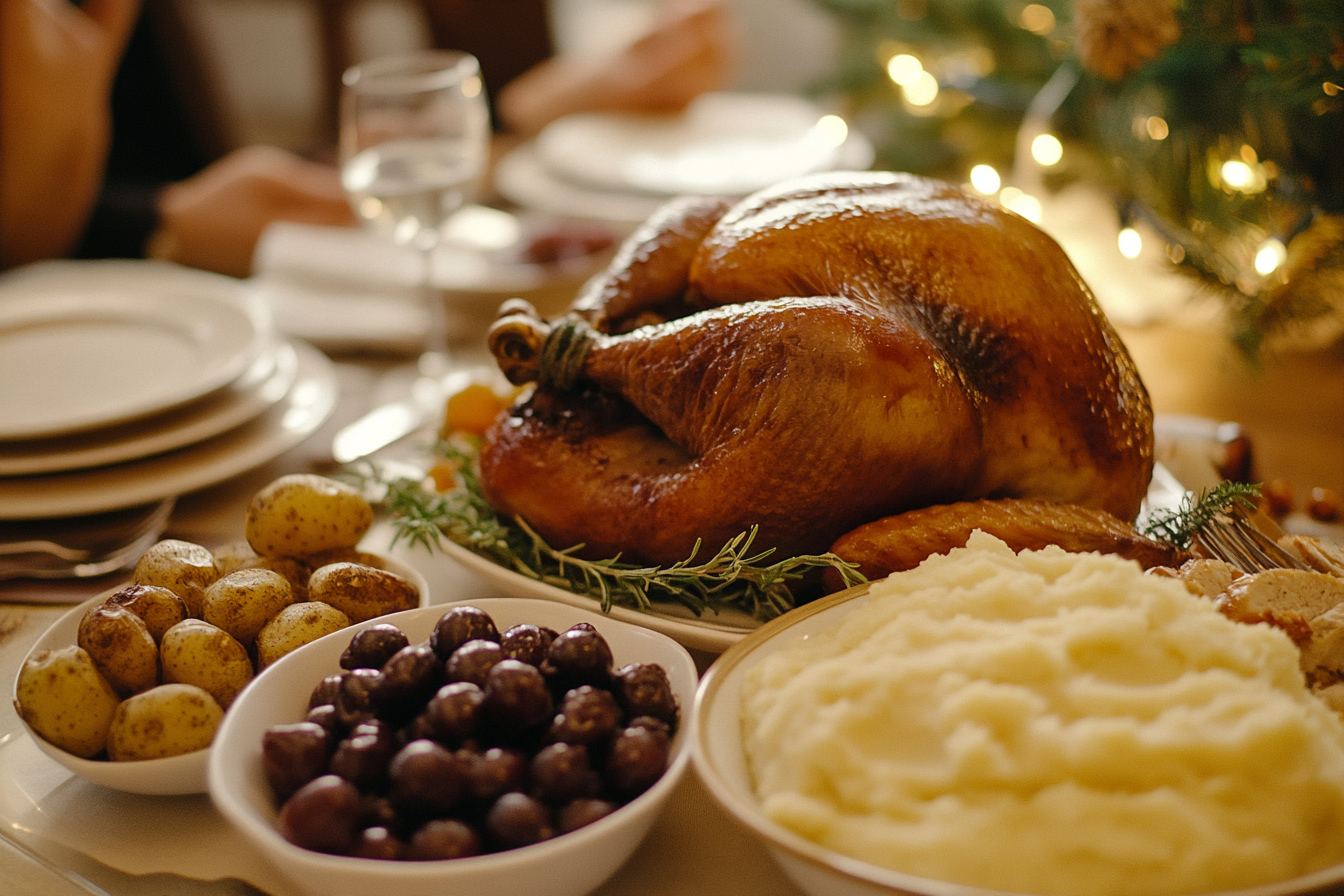
For many families across Central Virginia, the holiday season means heaping plates of turkey, ham, and gravy — but that festive spread could turn into a veterinary emergency for the family pet. A local veterinarian is sounding the alarm that the same foods we look forward to all year can pose a serious, even life-threatening, risk to dogs and cats.
Dr. Jesse Bejar of Wag Veterinary cautions that fatty foods, unattended leftovers, and trash can lead to life-threatening emergencies in dogs and cats.
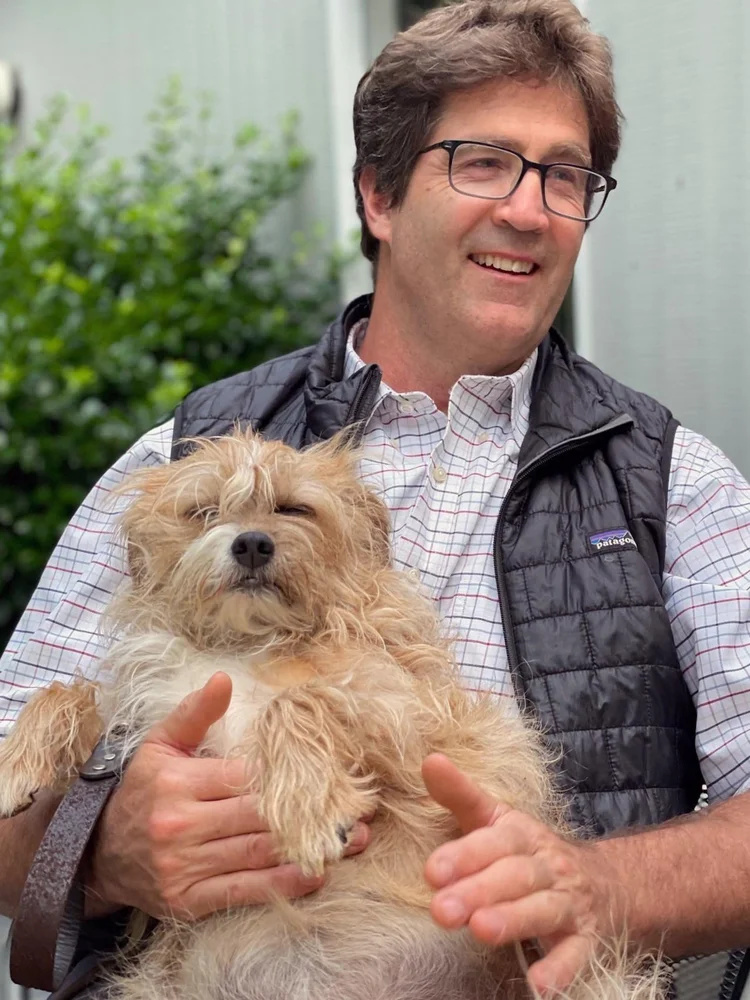
Dr. Jesse Bejar, who founded Wag Veterinary in Ivy, Virginia, explains that rich, fatty dishes commonly served at Thanksgiving and Christmas dinners can trigger severe gastrointestinal distress. The bigger concern, he says, is pancreatitis — a painful inflammation of the pancreas that often demands hospitalization and can become critical.
Also worth a look: Rabid skunk and bat found in S.C. counties; three dogs exposed and quarantined and Puerto Rico housing chief fast-tracks apartment for woman who refused to leave her pets.
Most pet owners already know to keep chocolate away from their animals, but fewer realize that everyday holiday staples like turkey skin, ham trimmings, gravy, butter, and meat drippings are just as dangerous. Dr. Bejar notes that even small amounts of these foods can overwhelm a pet’s digestive system.
“The holidays bring families together around food, and naturally, our pets want to be part of that excitement,” said Dr. Bejar. “But foods that are perfectly normal for people to enjoy can create significant health problems for dogs and cats. It only takes a moment of distraction for a pet to get into something that could make them very sick.”
The Hidden Danger of Fatty Holiday Foods
Pancreatitis occurs when the pancreas — the organ that produces digestive enzymes and regulates blood sugar — becomes inflamed. In that state, the enzymes meant to break down food can start damaging the organ itself, causing severe pain and illness. Advanced cases may require intensive veterinary care and can become life-threatening.
Dogs are especially prone to developing pancreatitis after eating unusually rich or fatty foods, a condition veterinarians call dietary indiscretion. Cats can also develop the disease, though its causes are often more complex. According to the American Veterinary Medical Association, fatty scraps like gravy, sauces, poultry skin, and meat fat are tough for pets to digest, and even small amounts can set off the condition in vulnerable animals.
“People often assume that giving their dog a piece of turkey skin or a little leftover gravy is a harmless holiday treat,” Dr. Bejar explained. “The problem is that an animal’s digestive system may not tolerate those foods the same way ours does. A seemingly minor indulgence can sometimes lead to vomiting, abdominal pain, dehydration, and a much more serious medical situation.”
Pets with a prior history of pancreatitis or other health conditions are at even greater risk when their diet changes suddenly.
When Holiday Distractions Create Dangerous Opportunities
According to Dr. Bejar, holiday food emergencies don’t always happen because owners intentionally share their meal. More often, the trouble starts when families get caught up in cooking, hosting guests, exchanging gifts, or cleaning up after a big dinner. An unattended plate on a coffee table, a roasting pan left on the counter, or a trash bag full of leftovers can quickly lure a curious pet.
Even well-behaved dogs may become tempted by unfamiliar holiday smells. Larger gatherings also mean more chances for well-meaning guests to slip treats to an animal without realizing the risk.
“One of the easiest mistakes to make during the holidays is assuming that someone else is keeping an eye on the dog,” Dr. Bejar said. “With people moving between the kitchen, dining room, and living room, pets can find opportunities to grab food that would normally be kept out of their reach.”
Discarded turkey and chicken carcasses add another layer of danger. Cooked poultry bones can splinter, posing choking hazards or causing intestinal blockages. Food-soaked packaging, plastic wrap, and cooking twine are also risky if swallowed. Some holiday dishes may contain toxic ingredients like onions, garlic, grapes, raisins, chocolate, or the sugar substitute xylitol.
Recognizing the Warning Signs of Pancreatitis
Symptoms of pancreatitis and other food-related gastrointestinal illnesses can appear after a pet has eaten a rich meal or gotten into discarded food. Warning signs may include repeated vomiting or diarrhea, loss of appetite, unusual lethargy, abdominal pain or a hunched posture, restlessness, dehydration, or fever.
Not every animal shows the same symptoms, and some may seem fine at first after eating something they shouldn’t have. Dr. Bejar advises pet owners to contact their veterinarian immediately if they know or suspect their pet has eaten a large amount of fatty food, bones, or other dangerous items. Pets that are vomiting repeatedly, seem extremely lethargic, or show signs of significant abdominal pain should receive urgent veterinary care.
“Waiting to see whether a pet gets better on its own isn’t always the safest decision,” Dr. Bejar said. “If an animal develops persistent vomiting, stops eating, or appears painful after getting into holiday food, it’s important to have them evaluated. Early veterinary attention can help identify the problem and prevent complications.”
Simple Precautions Can Help Prevent Holiday Emergencies
The good news is that many food-related holiday emergencies are avoidable with a bit of planning. Dr. Bejar encourages pet owners across Charlottesville, Crozet, Ivy, and Albemarle County to set clear household rules before gatherings begin. Food should stay on counters and tables that pets can’t reach, and serving dishes should never be left unattended around animals known to steal food.
Guests — especially children — should be reminded not to feed pets from their plates. Even small portions offered by several different people can add up to a dangerously large amount of rich food. After meals, leftovers should be refrigerated quickly, and food scraps, bones, and packaging should go into secure trash containers. Trash bags left on kitchen floors or beside exterior doors are a particular risk.
For households with food-motivated dogs, keeping pets in a separate, comfortable room during meal prep and cleanup may be the safest option. Families who want to include their pets in the celebration can offer veterinarian-approved treats or small amounts of plain, fully cooked, unseasoned, boneless, skinless turkey — provided those foods are appropriate for the animal’s individual dietary needs.
“Pets don’t need to eat what we’re eating to feel included in the holidays,” Dr. Bejar said. “Their normal food, a favorite toy, or a treat made specifically for them is a much safer way to celebrate together.”
What to Do if a Pet Gets Into Holiday Food
If a pet consumes a large amount of fatty food, leftovers, or potentially toxic ingredients, owners should contact their veterinarian or an emergency veterinary hospital for guidance. Key information to provide includes the pet’s approximate weight, what was eaten, how much, and when it happened. Owners should not try to induce vomiting or give any medications or home remedies unless directed by a veterinary professional.
In possible poisoning cases, the ASPCA Animal Poison Control Center is also available at 888-426-4435.
Dr. Bejar hopes that raising awareness before the holiday rush begins will help families keep their pets safe. “Thanksgiving and Christmas are wonderful opportunities to spend time with family, and our pets are an important part of that,” he said. “By keeping rich foods out of reach, paying attention during gatherings, and knowing when to seek veterinary care, families can avoid many preventable emergencies and enjoy a healthier, happier holiday season.”
About Wag Veterinary
Wag Veterinary is a locally owned practice in Ivy, Virginia, located between Charlottesville and Crozet. Founded by Dr. Jesse Bejar, a graduate of Texas A&M Veterinary College, the clinic provides compassionate, individualized medical care for dogs and cats throughout the region. The practice focuses on preventive medicine, practical treatment options, and building strong relationships between veterinarians and pet owners. Services include primary care, in-house diagnostics, dentistry, and surgery. For more information or to schedule an appointment, visit https://www.wagveterinary.com/ or call 434-235-5015.
Ryan Forney
Honest Oak SEO
Visit us on social media:
Instagram
Facebook
Why it matters: As holiday gatherings ramp up, the line between a festive treat and a veterinary emergency can be thinner than many owners realize. Understanding which common foods are dangerous — and how quickly a distracted moment can lead to a crisis — could save a pet from a painful, costly hospital stay and give families one less thing to worry about this season.