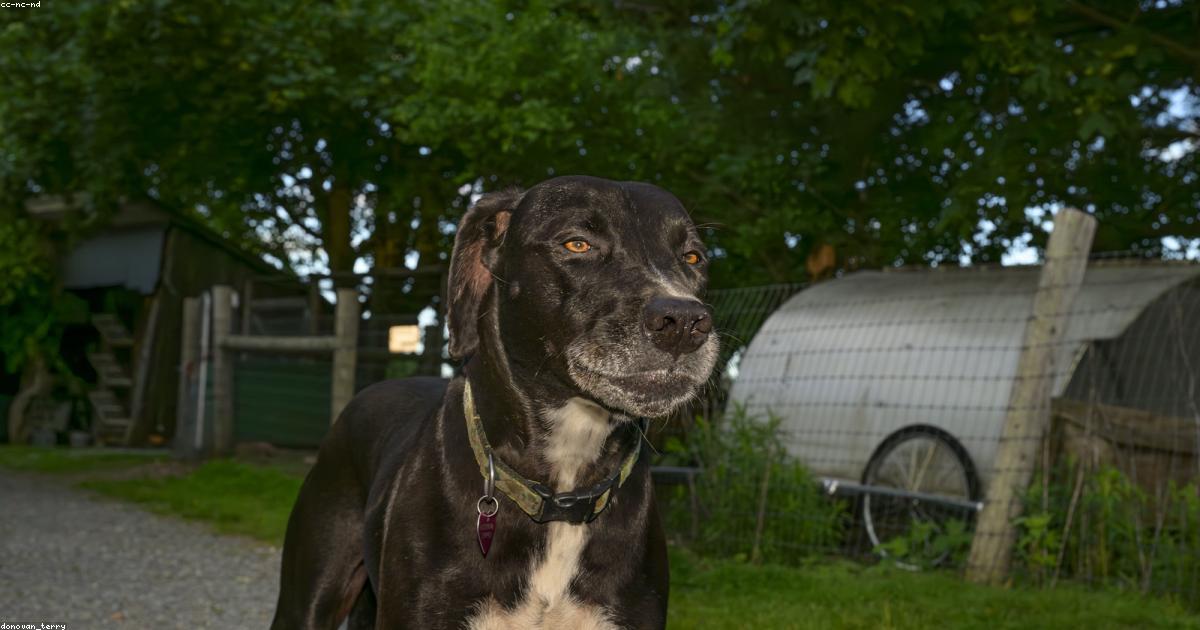
When Marcus Thompson returned from his third deployment overseas, he struggled with the kind of silence that feels louder than any battlefield. Sleep was elusive. Crowds felt threatening. The man who had once coached Little League and organized neighborhood cookouts could barely leave his house. Then a seventy-pound Labrador Retriever named Duke walked into his life and changed everything.
The Beginning of a New Chapter
Marcus was paired with Duke through Paws and Stripes, a nonprofit that trains and provides service dogs to military veterans living with post-traumatic stress and traumatic brain injury. Duke had spent eighteen months in training, learning to perform tasks specifically designed to help veterans navigate the challenges of daily life after combat.
“The first night Duke slept next to my bed, I slept through the night for the first time in two years,” Marcus said. “He would wake me up before the nightmares got bad. He just knew.”
What Service Dogs Do for Veterans
Service dogs trained for veterans with PTSD perform a range of specialized tasks. They can sense rising anxiety and intervene with physical contact, create a buffer zone in crowded spaces by positioning themselves between the handler and other people, and perform room checks to help veterans feel safe entering new environments.
Duke was trained to recognize Marcus’s stress signals and respond by pressing his body against Marcus’s legs, a technique called deep pressure therapy. The weight and warmth of the dog help activate the parasympathetic nervous system, reducing heart rate and easing the physical symptoms of anxiety.
The Science of the Bond
Research from Purdue University’s College of Veterinary Medicine found that veterans with service dogs showed significantly lower levels of cortisol and reported fewer symptoms of PTSD compared to those on a waiting list for a dog. The veterans with service dogs also reported better sleep quality, fewer emotional outbursts, and greater willingness to engage in social activities.
The bond between a veteran and a service dog is built on trust, a quality that PTSD can erode in human relationships. “Duke does not ask me to explain myself,” Marcus said. “He does not tell me to get over it. He just shows up, every single day, and that consistency is something I needed more than I realized.”
A Growing Movement
Organizations across the country are working to meet the growing demand for veteran service dogs. Programs like K9s For Warriors, Soldier’s Best Friend, and Guardian Angels Medical Service Dogs provide trained animals at no cost to qualifying veterans, though wait lists can be long due to the intensive training process.
Legislation has also evolved to support this cause. The PAWS Act, signed into law in 2021, directed the Department of Veterans Affairs to fund a pilot program studying the benefits of service dogs for veterans with PTSD, bringing federal recognition to what many veterans have known for years.
Marcus and Duke Today
Three years after their pairing, Marcus is coaching Little League again. He volunteers at his local VA hospital, sharing his story with other veterans. Duke is always at his side. “He gave me my life back,” Marcus said simply. “I owe him everything.”