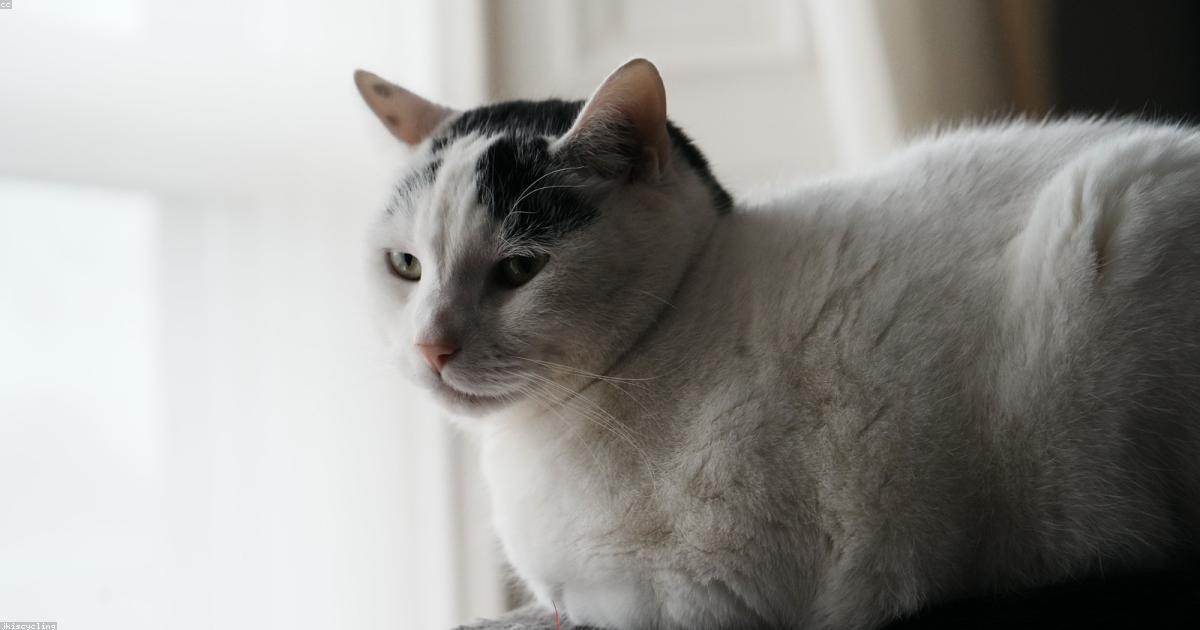
Indoor cats live longer, healthier lives on average than their outdoor counterparts. But keeping a cat indoors comes with a responsibility that many owners overlook: providing adequate mental and physical stimulation. A bored indoor cat is not just an unhappy cat. It is a cat at risk for obesity, anxiety, and destructive behavior.
Understanding Your Cat’s Natural Instincts
Cats are hardwired predators. Even the most pampered house cat retains the instincts of a hunter. In the wild, cats spend a significant portion of their day stalking, chasing, and capturing prey. When these instincts have no outlet, frustration builds. This is why enrichment is not a luxury for indoor cats. It is a necessity.
Enrichment encompasses anything that engages a cat’s mind and body. It includes interactive play, environmental modifications, puzzle feeders, and sensory experiences. The goal is to simulate the variety and challenge that an outdoor environment naturally provides.
Simple Enrichment Ideas That Work
You do not need to spend a fortune to keep your indoor cat engaged. Many of the most effective enrichment strategies are inexpensive or free.
Window perches are one of the simplest and most popular options. Cats can spend hours watching birds, squirrels, and passing pedestrians. Adding a bird feeder outside the window creates what cat behaviorists call “cat television,” a constantly changing visual stimulus that holds feline attention.
Puzzle feeders turn mealtime into a problem-solving exercise. Instead of eating from a bowl, cats must work to extract food from a device, slowing their eating and engaging their brains. You can purchase commercial puzzle feeders or make your own from cardboard boxes and toilet paper rolls.
Vertical space is essential for cats. Cat trees, wall-mounted shelves, and even cleared bookshelf space give cats opportunities to climb, perch, and survey their territory from above. Cats feel more secure when they have elevated vantage points, and climbing provides excellent physical exercise.
Interactive Play Sessions
Dedicated play sessions with wand toys, laser pointers, and feather teasers are among the most effective forms of enrichment. Experts recommend at least two fifteen-minute play sessions per day, ideally mimicking the hunt sequence: stalk, chase, catch, and eat. Ending a play session with a small treat completes the predatory cycle and leaves the cat satisfied.
Rotate toys regularly to prevent boredom. A toy that sits out all the time becomes part of the furniture. Putting toys away and reintroducing them after a week or two makes them novel again.
Sensory Enrichment
Do not forget about your cat’s other senses. Catnip, silver vine, and valerian root can provide olfactory stimulation. Playing recordings of bird songs or nature sounds can pique auditory interest. Some cats enjoy watching videos designed specifically for feline viewers, featuring close-up footage of fish, birds, and insects.
A Richer Life Indoors
An enriched indoor environment does not replace the outdoors. It replaces the need for the outdoors. With creativity and consistency, you can provide your cat with a life that is safe, stimulating, and deeply satisfying.