Three family pets are under quarantine after health officials confirmed rabies cases involving a skunk and a bat in two South Carolina counties, a stark reminder that the deadly virus remains a persistent threat across the state. The South Carolina Department of Public Health (DPH) announced that a skunk from Chester County and a bat from Oconee County both tested positive for the disease.
The skunk was discovered near the intersection of Armenia and Connor roads in Chester, S.C. Two dogs that came into contact with the animal will now be quarantined under the Rabies Control Act. Separately, a bat found near Cane Creek Harbor and Keowee School roads in Seneca, S.C., exposed one dog, which will also be quarantined. Both animals were submitted to DPH’s laboratory for testing on Oct. 2, 2026, with results confirming rabies on Oct. 5, 2026.
Anyone who suspects they, a family member, or a pet may have encountered this skunk, bat, or any other potentially rabid animal is urged to contact DPH’s 24-hour rabies reporting line at (888) 847-0902 (Select Option 2). Officials stress that no one should handle a bat — or any wild or stray animal, alive or dead — with bare hands. Any bat that may have had contact with people, pets, or livestock should be safely trapped in a sealed container and left untouched. Releasing a bat that has potentially exposed a person or pet eliminates the possibility of testing it for rabies.
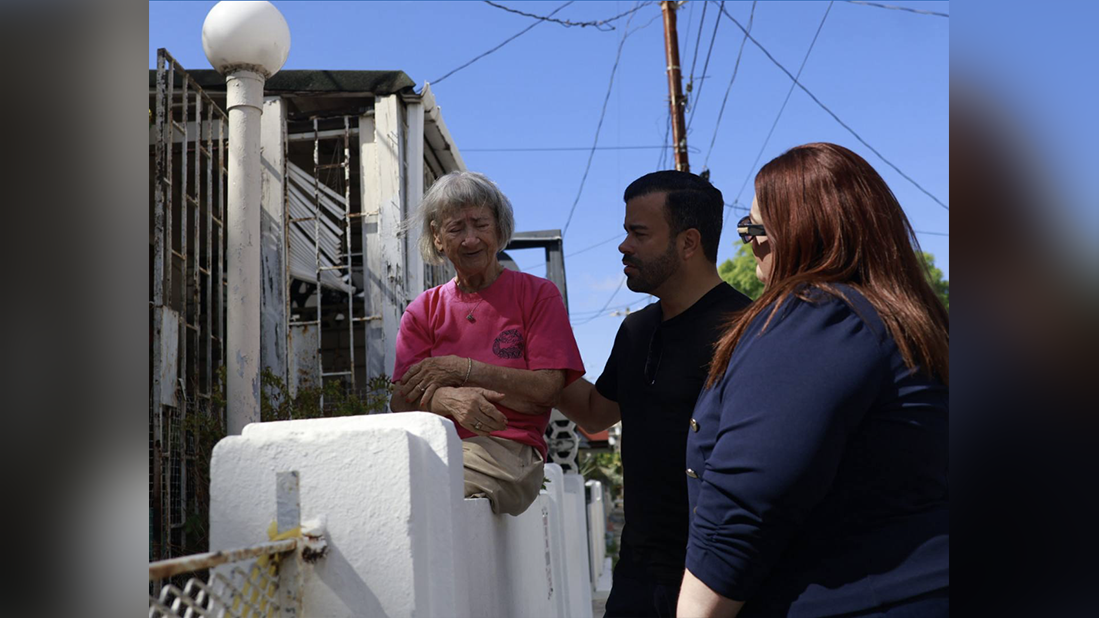
Also worth a look: Litix Legal gives Arizona pet owners a free way to prove who owns Fido and Puerto Rico housing secretary delivers on promise: woman and her pets get a new home.
“Rabid bats have been known to transmit the rabies virus,” said Terri McCollister, Rabies Program manager. “People don’t always realize they or a pet have been bitten since bat teeth are tiny and bites are easy to overlook.” Because of this, health officials advise assuming a person or pet has potentially been bitten when: they wake up to find a bat in a room or tent; a bat is found where children, pets, or persons with impaired mental capacity (intoxicated or mentally disabled) have been left unattended; or they have been in direct contact with a bat.
“Although bats can carry rabies, not every bat is infected with the virus. Bats are an important part of South Carolina’s ecosystems and deserve a healthy degree of respect just like all wild animals,” McCollister said. It is impossible to tell if a bat or any other animal has rabies simply by looking at it; laboratory testing is the only confirmation. Unusual behaviors that may indicate rabies in bats include daytime activity, an inability to fly, or being found in places they are not normally seen, such as inside a home or on a lawn. An exposure is defined as direct contact — such as through broken skin or mucous membranes in the eyes, nose, or mouth — with saliva or brain/nervous system tissue from an infected animal. Anyone who suspects contact should immediately wash the affected area with plenty of soap and water and seek medical attention.
Keeping pets up to date on their rabies vaccinations remains one of the simplest and most effective defenses against the disease. So far in 2026, the Chester County skunk is the third animal to test positive for rabies in that county, and the Oconee County bat is the second. Statewide, 92 rabid animals have been confirmed this year. Since 2002, South Carolina has averaged roughly 136 positive cases annually. In 2025, among the 101 confirmed rabies cases in the state, one was in Chester County and two were in Oconee County.
Contact information for local Public Health offices is available at dph.sc.gov/RabiesContacts. For more information on rabies, visit dph.sc.gov/rabies or cdc.gov/rabies/.
Why it matters: Rabies is nearly always fatal once symptoms appear, making prevention and rapid response critical. These two new cases underscore that the virus is circulating in both rural and suburban environments, and that even a seemingly minor encounter with a bat or a skunk can put both people and pets at serious risk. Staying current on vaccinations and knowing how to report potential exposures are the best defenses for South Carolina families.