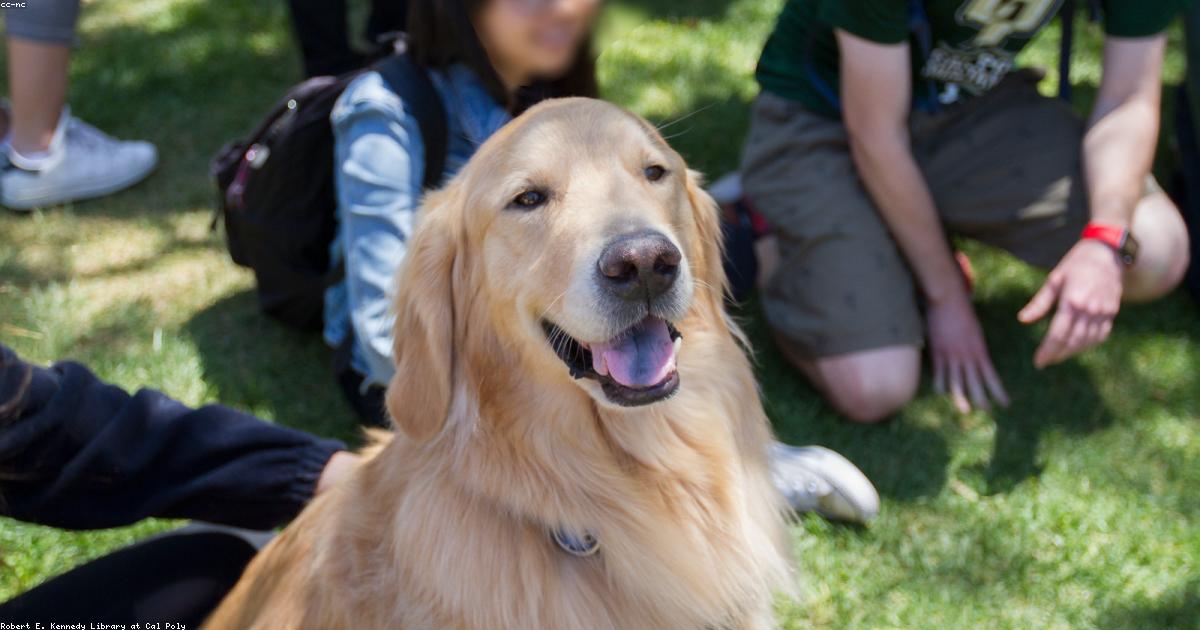
In pediatric wards, rehabilitation centers, and memory care units across the nation, therapy dogs are quietly performing a kind of medicine that no prescription can replicate. These specially trained animals bring comfort, motivation, and moments of genuine joy to patients facing some of the most difficult chapters of their lives.
A Growing Presence in Healthcare
The use of therapy dogs in hospitals has expanded dramatically over the past decade. What began as informal visits by volunteers and their well-behaved pets has evolved into structured, evidence-based programs integrated into patient care plans. Major medical centers including the Mayo Clinic, Cleveland Clinic, and Johns Hopkins now operate formal animal-assisted therapy programs.
Unlike service dogs, which are trained to perform specific tasks for individuals with disabilities, therapy dogs are trained to provide comfort and affection to multiple people in institutional settings. They visit patients at bedsides, sit in on physical therapy sessions, and accompany children through difficult procedures.
The Impact on Pediatric Patients
For children in hospitals, a visit from a therapy dog can transform an otherwise frightening day. Research from the University of California Davis found that children who interacted with therapy dogs before medical procedures showed measurably lower heart rates and cortisol levels compared to control groups.
At Boston Children’s Hospital, a program called Pawprints brings therapy dogs to visit young patients several times a week. Nurses report that children who are reluctant to get out of bed for physical therapy will often do so eagerly when a dog is involved. “The dog becomes the reason to try,” said physical therapist Amanda Kirby. “Kids will walk down the hallway to give the dog a treat when nothing else could motivate them.”
Supporting Elderly Patients
In memory care facilities, therapy dogs have shown remarkable ability to reach patients with advanced dementia. Individuals who rarely speak or engage with staff will often light up when a dog enters the room, reaching out to pet the animal and sometimes speaking words they have not used in months.
A 2025 study published in the Journal of Geriatric Psychiatry found that regular therapy dog visits were associated with reduced agitation and improved social interaction among dementia patients. The tactile experience of stroking a dog’s fur appears to activate deep-seated memories and emotional responses that other forms of stimulation cannot reach.
The Dogs Behind the Work
Therapy dogs undergo extensive training and temperament evaluation before they are certified for hospital work. They must remain calm in crowded, noisy environments, tolerate sudden movements and sounds from medical equipment, and show gentle, predictable behavior with strangers. Most therapy dog organizations require regular health screenings and ongoing training to maintain certification.
A Partnership Worth Supporting
The bond between therapy dogs and the patients they visit is a testament to the healing power of animals. If your local hospital has a therapy dog program, consider supporting it through donations or volunteer work. These programs depend on community involvement to keep making a difference.