When a beloved pet is nearing the end of its life, most families face a heartbreaking choice between a clinical vet visit or prolonging suffering at home. For 15 years, one Virginia Beach practice has been offering a third path—and its founder’s approach is now shaping how veterinary teams across multiple states handle end-of-life care.
Virginia Beach practice honors founder Dr. Tyler Carmack and her contributions to veterinary hospice and palliative care.
It has been a privilege to help families care for their pets in familiar surroundings and to be there for them when it’s time to say goodbye.”— Dr. Tyler Carmack, Founder, Hampton Roads Veterinary Hospice
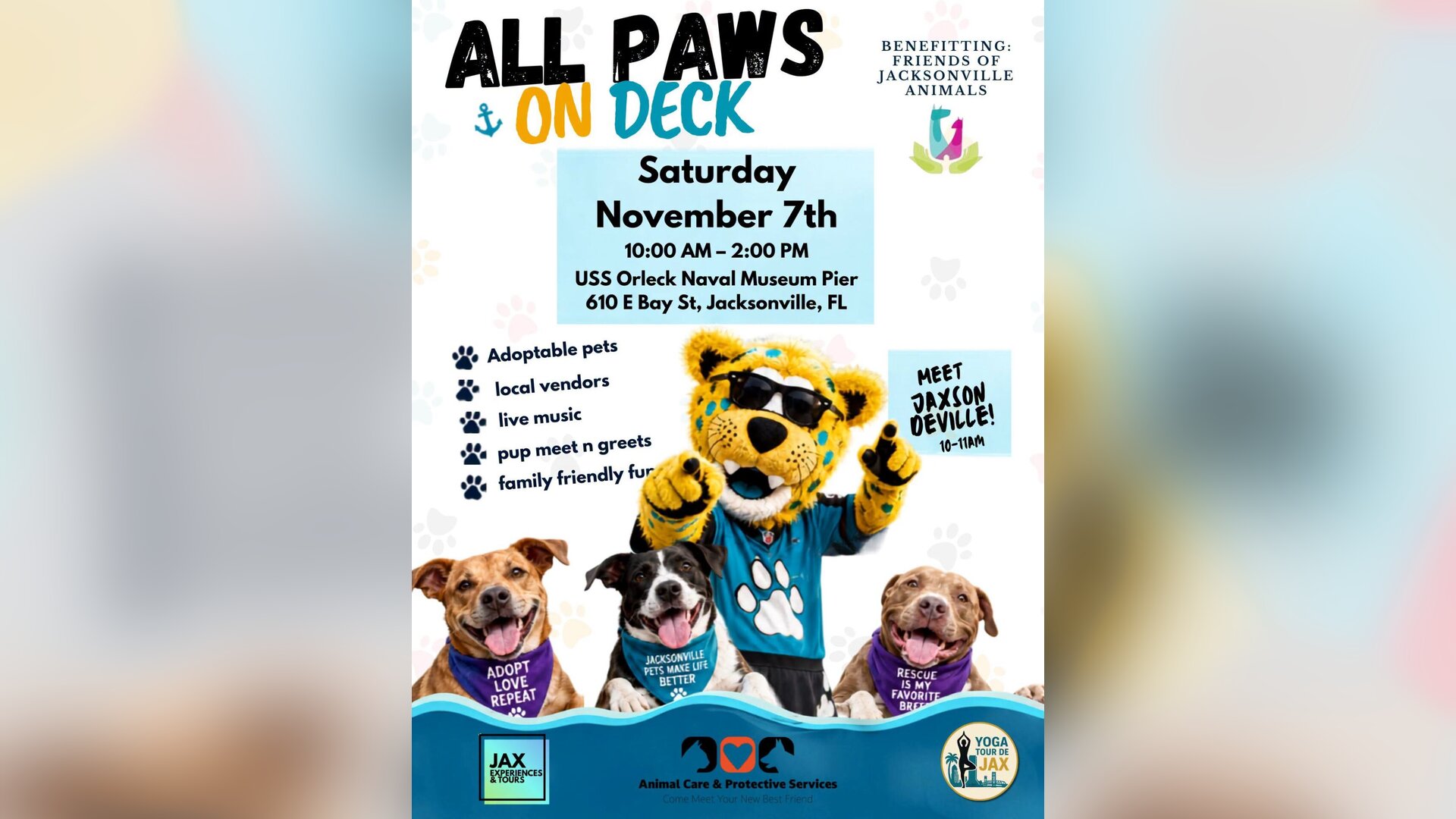
Also worth a look: Gaga Pet Food’s freeze-dried goose trachea targets joint health and oral care for cats and dogs and Jacksonville shelter dogs get the spotlight at free USS Orleck adoption event.
VIRGINIA BEACH, VA, UNITED STATES, November 23, 2026 /EINPresswire.com/ — Hampton Roads Veterinary Hospice is marking a significant milestone: 15 years of enabling families to care for their pets at home through the final stages of life. When Dr. Tyler Carmack launched the practice in 2011, the concept of in-home veterinary hospice, palliative care, or euthanasia for dogs and cats was still rare for most families. Dr. Carmack made it her mission to bring these services to Hampton Roads and to educate pet owners about the choices available to them as their animals approached life’s end.
As the practice expanded, Dr. Carmack’s efforts helped families across Hampton Roads and neighboring communities understand how hospice and palliative care could keep their pets comfortable in a home environment. Among those who have relied on the service are military working dogs, retired police dogs, and the families who care for them.
“When I opened Hampton Roads Veterinary Hospice, I wanted families to know they had options when their pets were nearing the end of life,” said Dr. Carmack. “It has been a privilege to help families care for their pets in familiar surroundings and to be there for them when it’s time to say goodbye.”
In 2021, Hampton Roads Veterinary Hospice became part of the Caring Pathways Family of Practices. Dr. Carmack stepped into the role of Director of Hospice and Palliative Care for Caring Pathways while continuing to serve as lead veterinarian at her founding practice. Through her work with veterinary teams, she has helped shape care protocols for pets and families across all four Caring Pathways markets: Colorado’s Front Range, Charlotte, Virginia Beach, and Pittsburgh.
“What Tyler started in Virginia Beach 15 years ago continues to shape how we care for pets and families across Caring Pathways,” said Chelsea McGivney, DVM, MBA, Executive Director of Operations. “She is generous with what she’s learned, and our teams draw on her experience when helping families make some of the hardest decisions they’ll face with their pets.”
Beyond her local impact, Dr. Carmack has become a national and international voice on veterinary hospice and palliative care. She regularly speaks to fellow veterinary professionals, sharing lessons from her practice and raising awareness of this growing field within veterinary medicine.
About Hampton Roads Veterinary Hospice
Founded in Virginia Beach in 2011, Hampton Roads Veterinary Hospice provides in-home hospice and palliative care and in-home euthanasia for dogs and cats in Hampton Roads and surrounding communities. The practice is part of the Caring Pathways Family of Practices. Learn more at https://hrvethospice.com.
Dr. Chelsea McGivney
Hampton Roads Veterinary Hospice
+1 757-474-5968
info@hrvethospice.com
Visit us on social media:
LinkedIn
Instagram
Facebook
YouTube
Why it matters: As more pet owners seek compassionate, home-based options for their aging animals, the model pioneered by Dr. Carmack in Virginia Beach is proving that dignified end-of-life care isn’t just for humans. With the practice’s approach now influencing veterinary teams in four states, this anniversary signals that in-home hospice is no longer a niche service—it’s becoming an expected standard for pet care.