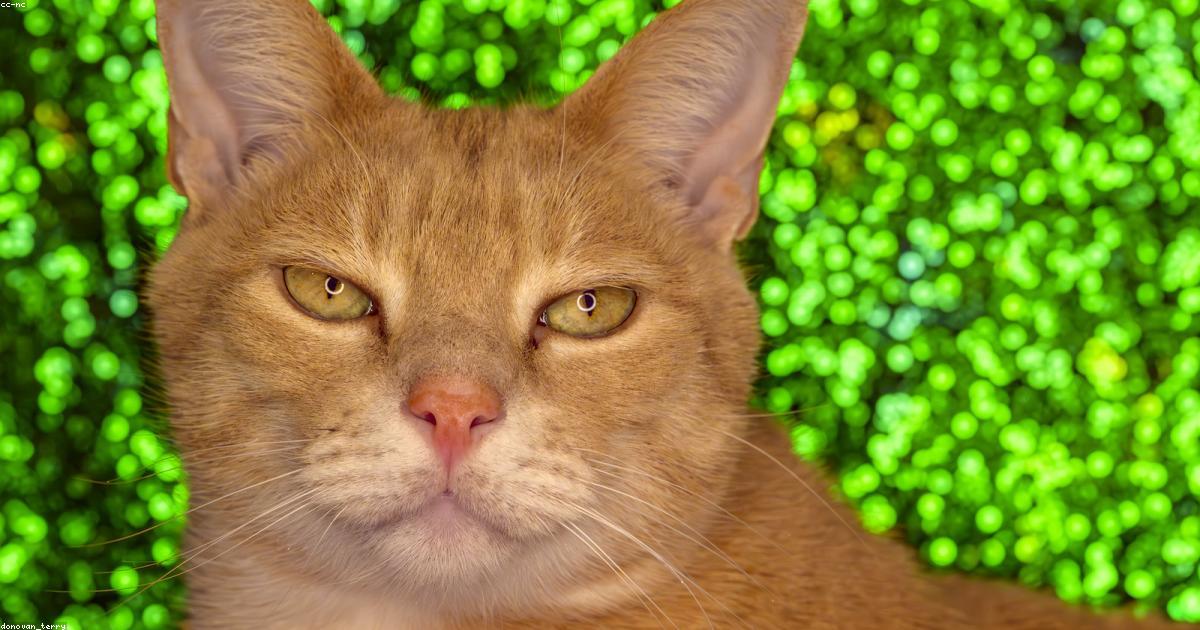
Walk into any cat cafe in a major city, and you will find something that looks deceptively simple: people sipping lattes while cats nap on bookshelves, chase feather toys, and occasionally claim a stranger’s lap. But behind the cozy atmosphere, cat cafes are quietly solving one of animal rescue’s most persistent problems — getting shy, overlooked cats into loving homes.
The concept originated in Taiwan in 1998 and spread to Japan before arriving in the United States around 2014. Today, there are more than 130 cat cafes operating across North America, and collectively they have facilitated tens of thousands of adoptions. The model is elegant: cafes partner with local shelters and rescue organizations, hosting adoptable cats in a comfortable, low-pressure environment where potential adopters can interact with them naturally over a cup of coffee.
“A shelter environment is stressful for cats,” explained Nina Cho, owner of Whiskers and Brews in Portland, Oregon. “The noise, the cages, the constant stream of strangers — it suppresses their personality. In a cafe, they relax. They play. They show you who they really are. And that makes all the difference in finding them a match.”
The numbers support this claim. Whiskers and Brews has facilitated over 600 adoptions in its four years of operation, with a return rate of less than 3 percent — far below the national average for shelter adoptions. Cho attributes this to the extended, informal interaction the cafe model provides.
“When someone spends an hour with a cat in a living-room setting, they get a much better sense of compatibility than they would from a five-minute visit to a shelter cage,” she said. “They see how the cat interacts with other cats, with strangers, with noise. There are fewer surprises when they get home.”
Cat cafes are particularly effective at finding homes for cats that tend to be overlooked in traditional shelter settings: black cats, senior cats, shy cats, and cats with minor disabilities. In a cage, these animals are easy to pass by. But in a cafe, where a black cat might curl up next to someone reading a book or a senior cat might settle into a visitor’s lap with a contented purr, connections form that would never have happened behind metal bars.
The financial model also benefits rescue organizations. Cat cafes typically cover all food, litter, and veterinary costs for the cats in their care, reducing the financial burden on partner shelters. Revenue from food and beverage sales, cover charges, and merchandise sustains the operation without relying heavily on donations.
There are challenges, of course. Health regulations vary by city, and maintaining hygiene standards while allowing cats to roam freely near food preparation areas requires careful planning and regular inspections. Not every city has approved the concept, and some cafe owners have faced lengthy permitting battles.
But for the cats that find homes through these warm, welcoming spaces, the results speak for themselves. “Every single adoption is a life saved,” Cho said. “And we get to watch it happen over coffee. There’s no better job in the world.”