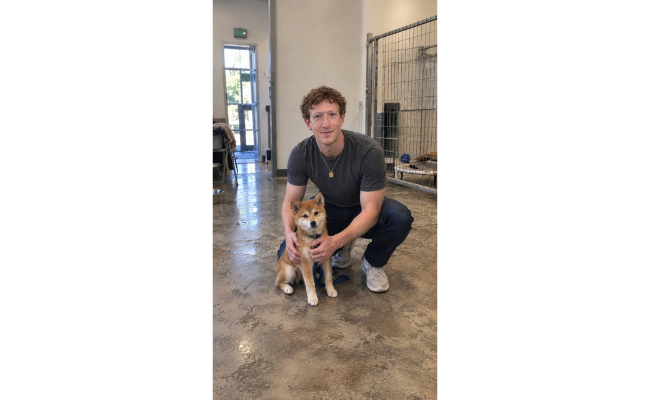
Two years ago, the Millbrook County Animal Shelter in upstate New York had a problem familiar to shelters across the country: too many animals, too few adopters, and a euthanasia rate that kept the small staff awake at night. Today, the shelter has achieved something that seemed impossible — a 100 percent adoption rate, with every single animal that enters the facility leaving for a permanent home.
The transformation did not happen through a single dramatic intervention. It happened through a steady accumulation of small, smart changes driven by a community that decided it was not willing to accept the status quo.
“We didn’t reinvent animal welfare,” said shelter director Carol Anne Hastings. “We just stopped accepting excuses and started trying things. Some worked, some didn’t, and the ones that worked, we doubled down on.”
The first change was the most controversial: Millbrook shifted to a managed intake model. Instead of accepting every animal immediately, the shelter began scheduling intakes and working with owners on alternatives to surrender. A dedicated staff member was assigned to conduct surrender consultations, helping pet owners access resources — low-cost veterinary care, temporary fostering, behavioral training, pet-friendly housing assistance — that might allow them to keep their animals.
“About 40 percent of the people who called to surrender their pets changed their minds when we helped them solve the underlying problem,” Hastings said. “The animal didn’t need a new home. The family needed a little support.”
For animals that did enter the shelter, the focus shifted to aggressive, creative adoption marketing. Every animal received professional-quality photos taken by a volunteer photographer. Each listing included a personality profile written in the animal’s “voice” — playful, warm, and specific. The shelter partnered with local businesses to host weekly adoption pop-ups at breweries, farmers’ markets, and community events, bringing animals directly to where people gathered.
The foster program was expanded dramatically. Community members were recruited and trained to provide temporary homes for animals awaiting adoption, which reduced shelter stress and allowed animals to decompress and show their true personalities. Foster families became the shelter’s most effective adoption ambassadors, sharing photos and stories on social media that reached audiences far beyond the shelter’s own following.
Transport partnerships with shelters in high-intake regions of the South brought in animals that filled adoption demand the local population couldn’t meet, while simultaneously saving lives in overcrowded facilities hundreds of miles away. A volunteer driver network made the logistics feasible on a shoestring budget.
The behavioral program was perhaps the most impactful change. A part-time trainer was hired to work with animals that had behavioral challenges — shyness, leash reactivity, poor social skills — that might otherwise make them difficult to place. Many of these animals became the shelter’s most popular adoptions once their issues were addressed.
“People don’t want a perfect animal,” Hastings observed. “They want an animal whose story they connect with. A dog that overcame fear, a cat that learned to trust again — those stories resonate. People want to be part of that journey.”
The 100 percent adoption rate was reached gradually. The euthanasia rate dropped from 22 percent to 10 percent in the first year, then to 3 percent, then to zero. The last animal to be euthanized for population management — as opposed to untreatable suffering — left the shelter’s records 14 months ago.
Hastings is quick to note that maintaining this rate requires constant effort, community investment, and institutional will. “This isn’t a finish line,” she said. “It’s a practice. You have to commit to it every single day.” But for the small town of Millbrook, the commitment has proven worth making — one animal at a time.