Cats are famously mysterious creatures, but they are actually communicating with us constantly — we just need to know what to look for. Understanding your cat’s body language can transform your relationship, helping you recognize when they are happy, stressed, playful, or asking to be left alone. Here is your guide to decoding the signals.
The Tail
A cat’s tail is one of its most expressive features. A tail held high and straight signals confidence and contentment — this is a cat that is happy to see you. A slight curve at the tip, like a question mark, usually means your cat is feeling friendly and curious. A puffed-up tail indicates fear or agitation, while a tail tucked between the legs signals anxiety or submission. Rapid side-to-side swishing is not the same as a dog’s wag — in cats, it typically means irritation or overstimulation.
The Ears
Forward-facing ears indicate interest and alertness. When a cat’s ears rotate to the sides, sometimes called “airplane ears,” it is a sign of uncertainty or mild annoyance. Ears flattened back against the head are a clear warning: the cat is frightened or angry, and you should give it space immediately.
The Eyes
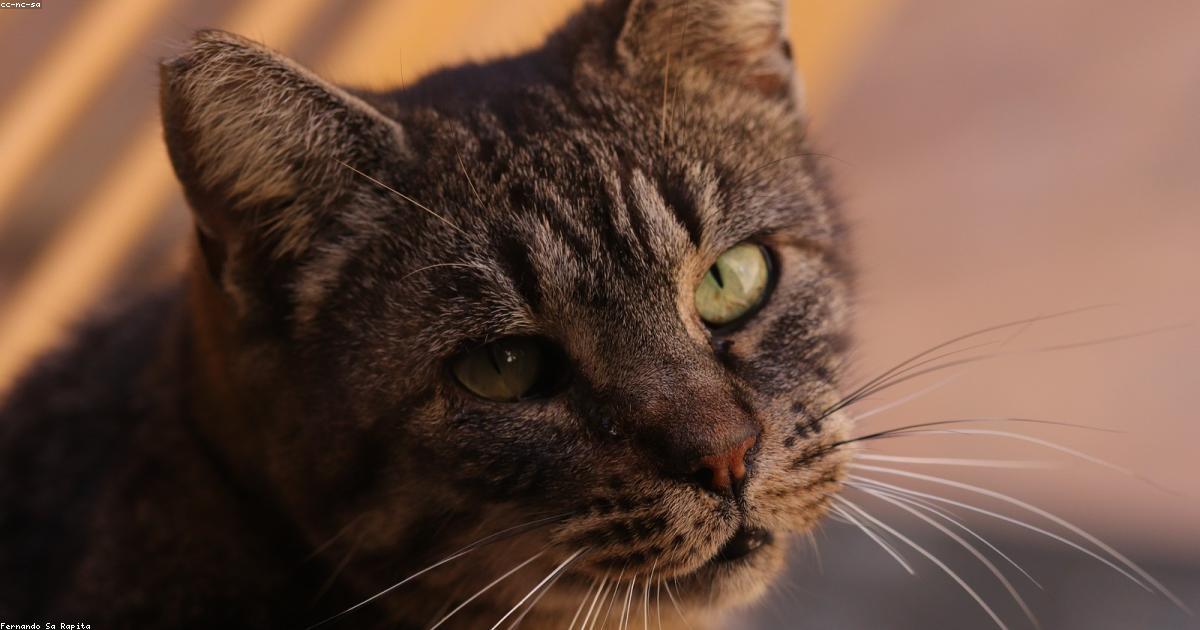
Slow blinking is one of the highest compliments a cat can pay you. Researchers call it the “cat kiss” — a deliberate, languid blink that signals trust and affection. You can slow-blink back at your cat to reciprocate the feeling. Dilated pupils in a calm setting suggest excitement or playfulness, while constricted pupils can indicate tension. A direct, unblinking stare from a cat is typically a challenge or a sign of discomfort.
Body Posture
A relaxed cat will have a loose, sprawled posture, often exposing its belly. However, a cat showing its belly is not necessarily inviting a belly rub the way a dog would — many cats expose their stomachs as a sign of trust but will react defensively if you touch it. An arched back with raised fur is the classic Halloween cat pose, signaling fear and a desire to appear larger. A cat that is crouched low with its body compressed is either preparing to pounce in play or feeling threatened.
Kneading
When your cat pushes its paws rhythmically against a soft surface — your lap, a blanket, a pillow — it is kneading. This behavior originates from kittenhood, when nursing kittens knead their mother to stimulate milk flow. In adult cats, it is a sign of deep contentment and comfort. Consider it the ultimate compliment.
Head Bunting
When a cat rubs its head or cheeks against you, it is depositing pheromones from scent glands located around its face. This behavior, called bunting, marks you as part of the cat’s trusted social group. It is a possessive gesture, but in the best possible way — your cat is claiming you as family.
Vocalizations
Adult cats rarely meow at each other — meowing is a behavior developed almost exclusively for communicating with humans. Short, high-pitched meows are typically greetings, while longer, more insistent meows are demands — usually for food or attention. Chirping or trilling sounds are expressions of excitement, often directed at birds through a window or at an owner returning home.
Learning to read these signals takes time, but the reward is a deeper, more responsive bond with your cat. Pay attention, respect what they are telling you, and your cat will trust you all the more for it.