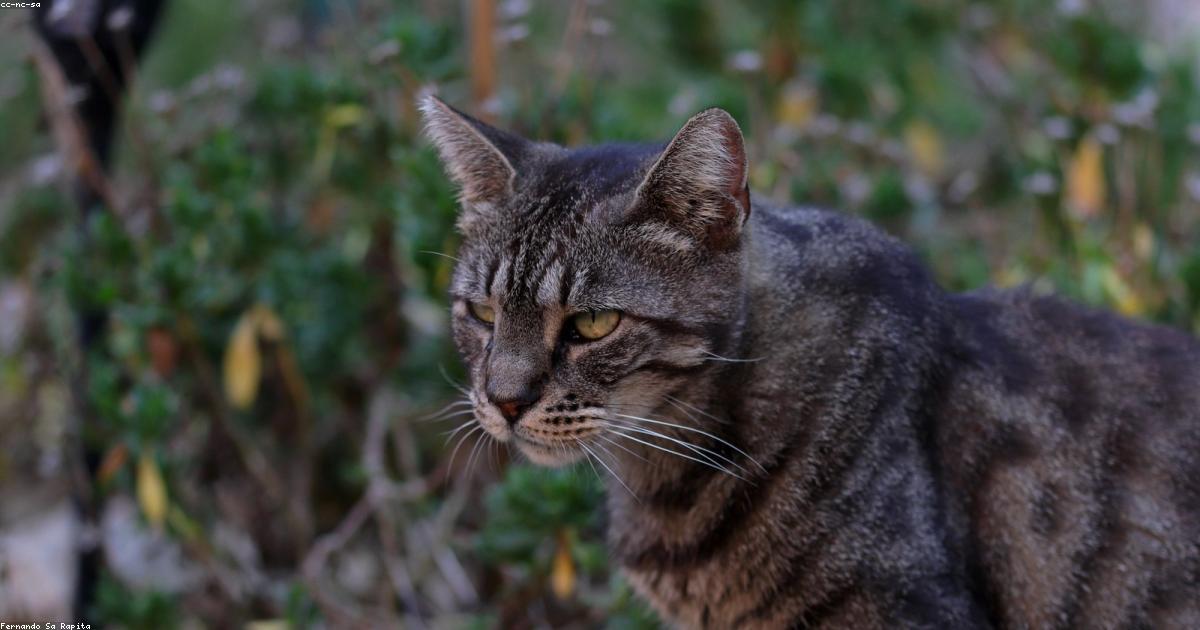
Nobody knows exactly how the scruffy orange tabby found his way into Sunnyside Assisted Living in Boise, Idaho. One Tuesday morning, he simply appeared in the lobby — a thin, ear-tipped stray with a crooked tail and an air of complete nonchalance, as though he had always been there and everyone else was the newcomer.
Staff tried to shoo him out. He came back. They tried again. He came back again, this time walking directly into the activity room and jumping onto the lap of 89-year-old Dorothy Palmer, who had not spoken voluntarily in three weeks following a stroke. Dorothy looked down at the cat, smiled, and said clearly: “Well, hello there, handsome.”
After that, nobody tried to shoo him out again.
The cat — quickly named Marmalade by the residents — became a fixture at Sunnyside. He wandered the hallways with an unhurried dignity, visiting rooms and common areas on what the staff came to recognize as a remarkably consistent daily route. He seemed to have an intuitive sense for who needed him most, spending extra time with residents who were lonely, agitated, or nearing the end of their lives.
“I’ve worked in elder care for 15 years, and I’ve never seen anything like it,” said activities director Christina Voss. “He would bypass a room full of people reaching out for him and go straight to the person sitting alone in the corner. Every time. It was uncanny.”
Within weeks of Marmalade’s arrival, staff began noticing changes. Residents who had been withdrawn were engaging in conversation — about the cat, at first, but then about other things. A veteran with advanced dementia, who rarely acknowledged his surroundings, would brighten visibly when Marmalade entered his room. Two residents who had refused to participate in group activities began attending the afternoon social hour because Marmalade was usually there.
The facility’s medical director, Dr. Alan Cho, documented the effects. Blood pressure readings in several residents improved. Requests for anxiety medication decreased. Family members reported that their loved ones seemed happier and more alert during visits.
“There is substantial research supporting the therapeutic benefits of animal interaction for the elderly,” Dr. Cho said. “But Marmalade isn’t a trained therapy animal. He’s a stray cat who wandered in off the street and somehow knew exactly what to do. That’s the part I can’t explain with a clinical study.”
Sunnyside officially adopted Marmalade and gave him a formal title: Director of Comfort. He has his own name tag, his own bed in the nurses’ station, and a dedicated line item in the facility’s budget for food and veterinary care. The local humane society provided his vaccinations and neutering at no charge after hearing his story.
Dorothy Palmer, the first resident to welcome Marmalade, passed away peacefully six months after his arrival. According to the night nurse on duty, Marmalade was curled up on her bed when she died, purring softly.
“He knew,” Voss said quietly. “He always knew.”