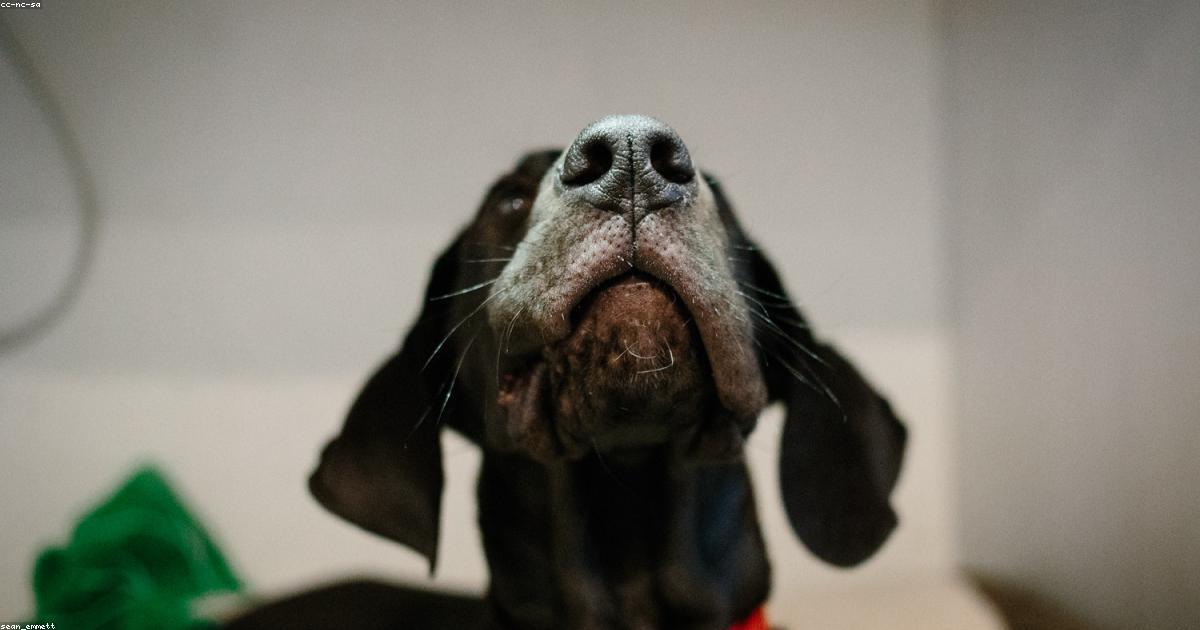
Alexa, a Bay Area administrative assistant, lives with Postural Orthostatic Tachycardia Syndrome, a condition that causes her heart rate to surge unpredictably and her oxygen levels to plummet without warning. Managing daily life with an invisible disability is challenging enough. But one afternoon, leaving a routine cardiology appointment, the situation turned dangerous, and her one-hundred-twenty-pound Great Dane named Otti became her lifeline.
As Alexa approached a long flight of stairs in the medical building, her body began to betray her. Her heart rate spiked and her oxygen levels dropped into the eighties, a range where fainting becomes not just possible but likely. One misstep on those stairs could have meant a catastrophic fall. But Otti knew something was wrong before Alexa fully grasped the severity herself.
The massive dog planted himself directly in her path, refusing to let her take a single step downward. When she tried to move around him, he shifted again, blocking her with the calm determination of a bodyguard who understood exactly what was at stake. This was not random stubbornness. This was a trained service dog reading his handler’s vital signs through subtle physiological cues that human technology struggles to match.
Then Otti did something that stunned even Alexa. He guided her toward the elevator. This might sound unremarkable until you learn one crucial detail: elevators are Otti’s greatest fear. The enclosed space, the mechanical sounds, the lurching movement, all of it terrifies him. Yet in that moment, when his handler’s safety hung in the balance, he overrode his own deep anxiety and led her to the one option that would keep her safe.
Once they reached a secure location, Otti performed deep pressure therapy, laying his substantial frame across Alexa’s body with steady, even weight. This technique helps regulate the nervous system, slowing a racing heart and bringing the body back toward equilibrium. For Alexa, it was the difference between a medical crisis and a manageable episode.
The entire incident was captured on video and shared to TikTok, where it quickly amassed over seven million views. Viewers were moved not just by Otti’s training but by the raw evidence of a dog choosing his person’s wellbeing over his own comfort. Comment sections filled with stories from other service dog handlers who recognized the extraordinary intelligence on display.
Otti is Alexa’s second service dog, specifically trained to detect physiological changes like heart rate spikes and oxygen drops before she recognizes the symptoms herself. But his actions that day went beyond any training manual. He made a judgment call, assessed a threat, weighed his options, and chose the path that prioritized his handler’s life above his own fears.
For the millions living with invisible disabilities, Otti’s viral moment was more than a cute dog video. It was validation that service dogs are not accessories or emotional comforts. They are medical equipment with heartbeats, partners whose daily work saves lives in ways most people never see.