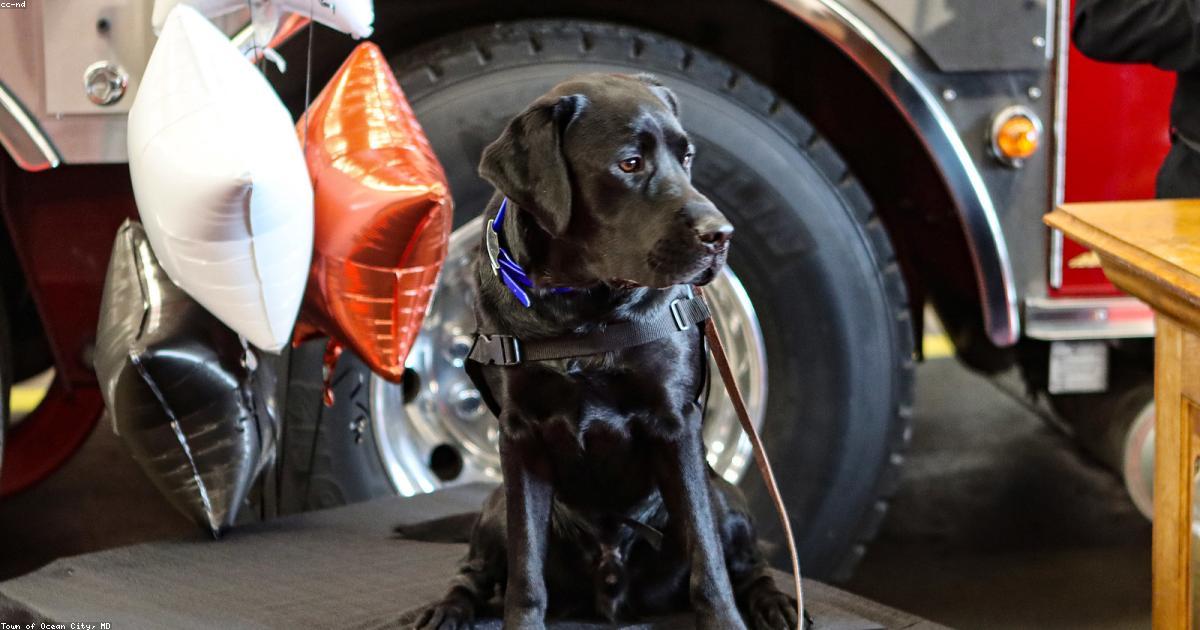
The evidence has been growing for years, but a comprehensive new study from the University of California, Davis has finally put hard numbers behind what pet lovers have long suspected: therapy dogs are making a measurable difference in hospital patient recovery times.
The study, published last month in the Journal of Integrative Medicine, tracked 1,200 patients across 14 hospitals over a two-year period. Half received standard care. The other half received regular visits from certified therapy dogs in addition to their medical treatment. The results were striking.
Patients who interacted with therapy dogs reported 34 percent lower anxiety levels and required 28 percent less pain medication than those in the control group. Perhaps most remarkably, patients in the therapy dog group were discharged an average of 1.4 days earlier than their counterparts.
“We expected to see some improvement in mood and self-reported well-being,” said lead researcher Dr. Amanda Torres. “What surprised us was the physiological impact. Heart rates stabilized faster. Blood pressure readings improved. These are not placebo effects. The dogs are triggering genuine biological responses.”
The science behind the findings points to oxytocin, sometimes called the bonding hormone. When humans interact with dogs, both species experience a surge in oxytocin levels. This hormone reduces cortisol, the body’s primary stress chemical, and promotes feelings of calm and connection.
For patients recovering from surgery or managing chronic illness, that stress reduction can translate into real clinical benefits. Lower cortisol means less inflammation, better sleep, and a stronger immune response, all of which accelerate healing.
At Mercy General Hospital in Sacramento, therapy dog visits have been part of the recovery program for three years. Nurse practitioner James Whitfield has seen the impact firsthand.
“I had a patient last year who had not spoken to anyone in four days after a major surgery,” James recalled. “A golden retriever named Sunny came in for a visit, and within ten minutes, the patient was talking, laughing, asking when Sunny could come back. It completely changed his trajectory.”
The study also found that therapy dog programs benefit hospital staff. Nurses and doctors who interacted with the therapy dogs during their shifts reported lower burnout levels and higher job satisfaction.
Critics have raised concerns about infection control, but the study addressed this directly. With proper hygiene protocols, including pre-visit baths and restricted access to certain wards, there was no increase in hospital-acquired infections among patients in the therapy dog group.
Dr. Torres and her team are now advocating for therapy dog programs to become a standard part of hospital care nationwide. “The data is clear,” she said. “These dogs are not just making people smile. They are helping people heal.”