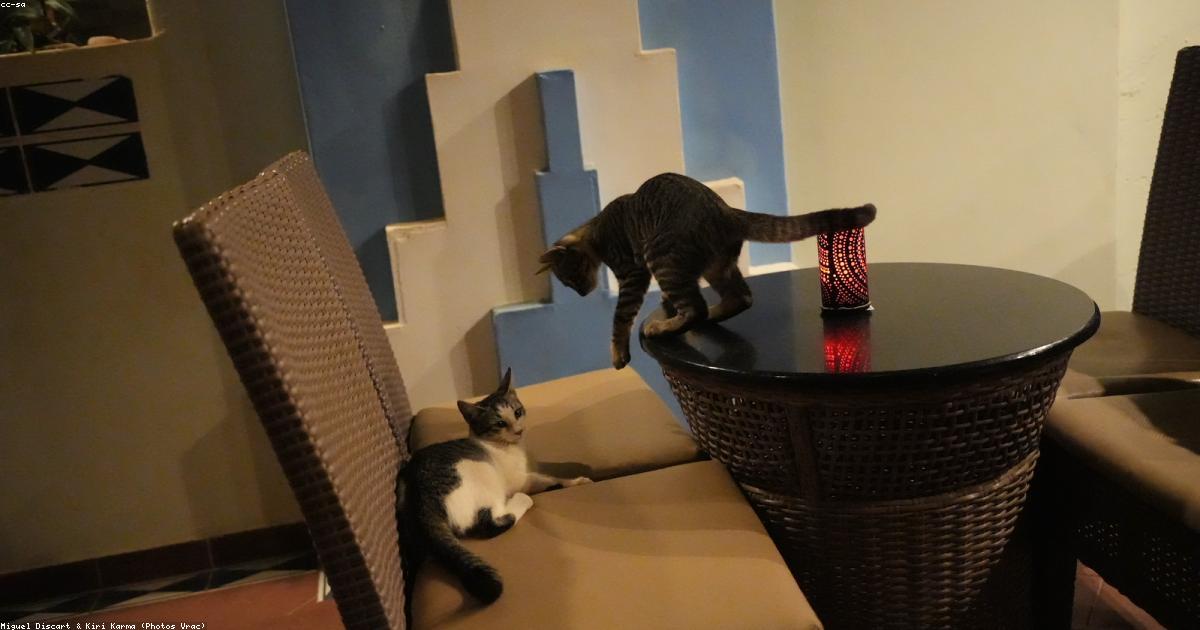
Every cat owner has seen it: you walk into a room and find your cat contorted into a position that seems to defy both comfort and physics. But those sleeping positions are not random. According to feline behaviorists, the way your cat sleeps reveals a great deal about how safe and secure they feel in your home, and how much they trust you.
The Belly-Up Position
If your cat sleeps on their back with their belly fully exposed, congratulations. You have earned the highest level of feline trust. A cat’s belly is their most vulnerable area, housing vital organs with minimal skeletal protection. In the wild, no cat would ever sleep this way. A cat who sprawls belly-up in your presence is telling you they feel completely safe and that they trust you with their life, quite literally.
The Loaf
The classic loaf position, where a cat tucks all four paws beneath their body and sits upright like a perfectly baked bread roll, indicates a cat who is relaxed but still somewhat alert. Their paws are tucked, which means they are not ready to spring into action, but they are not fully surrendered to sleep either. This is the “I trust you, but I am keeping one ear open” position. It is common in cats who feel comfortable in their environment but have a naturally cautious personality.
The Curled Ball
When a cat curls into a tight ball with their tail wrapped around their nose, they are conserving body heat and protecting their vital organs. This is the default sleeping position for most cats, especially those who are still building trust with their owners. It is not a sign of distrust necessarily, but rather a sign of self-sufficiency. The cat is saying, “I can take care of myself.” Over time, as trust builds, many cats who start as curled sleepers gradually transition to more open positions.
The Side Sleeper
A cat sleeping stretched out on their side with legs extended is deeply relaxed and comfortable. This position exposes a portion of their belly and requires a full extension of the limbs, both of which indicate vulnerability. Side sleepers are typically confident, well-adjusted cats who have a strong bond with their owners. If your cat side-sleeps near you, they consider you a trusted member of their colony.
The Face Plant
Some cats sleep face-down, burying their nose in their paws, a blanket, or your arm. This is often interpreted as a desire to block out light, which is partially true. But the face plant also signals a cat who is so deeply comfortable that they have stopped monitoring their environment entirely. It is one of the most endearing and trusting positions a cat can adopt.
Sleeping on You
If your cat sleeps on your chest, lap, or head, this is the ultimate trust signal. Your body heat, heartbeat, and scent create a sense of safety and belonging. Cats who sleep on their owners are typically deeply bonded and may have a slight separation anxiety component, meaning they feel most secure when physically connected to their person.
Understanding your cat’s sleeping positions can help you gauge their emotional well-being and strengthen your bond. If your cat is still a curled-ball sleeper, do not worry. Trust takes time. Provide consistent routines, gentle interactions, and a safe environment, and you may just wake up one morning to find a belly-up cat snoring beside you.