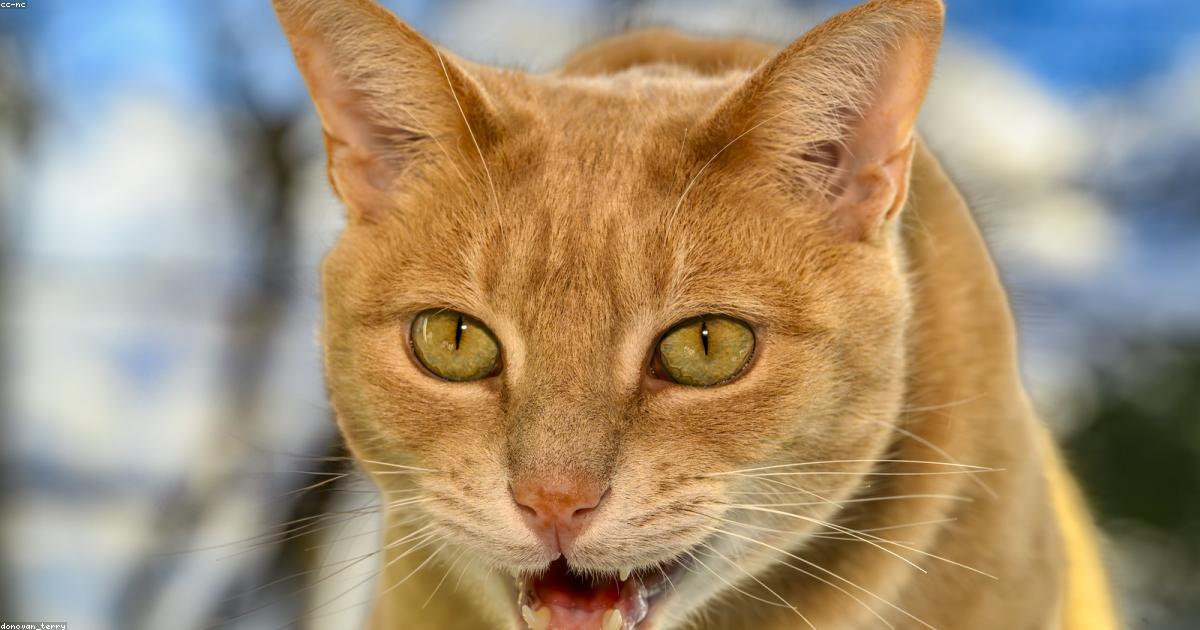
The internet has spoken, and its verdict is unanimous: orange cats are absolutely unhinged. From viral videos of ginger tabbies launching themselves off refrigerators to photos of marmalade cats sleeping in the most absurd positions imaginable, the orange cat has become the internet’s favorite lovable disaster. But is there any truth behind the meme? As it turns out, the answer is complicated, hilarious, and completely endearing.
First, the genetics. Orange cats owe their color to a pigment called pheomelanin, the same pigment responsible for red hair in humans. The gene that controls orange coat color is carried on the X chromosome, which is why roughly 80 percent of orange cats are male. This gender imbalance means that most orange cats also carry the behavioral tendencies associated with intact or recently neutered male cats, namely confidence, boldness, and a certain shameless disregard for personal boundaries.
“There is no peer-reviewed study that proves orange cats are more chaotic than other cats,” said feline behaviorist Dr. Lisa Chen. “But I will say that in twenty years of practice, the stories that make me laugh the hardest almost always involve an orange cat.”
The anecdotal evidence is overwhelming. Orange cat owners report that their pets are more likely to eat non-food items, sleep in sinks, befriend dogs, steal food directly off plates, and stare into the void for extended periods before doing something inexplicable. One viral post described an orange cat who learned to open the refrigerator, ate an entire rotisserie chicken, and then fell asleep inside the fridge.
Veterinarians have noted that orange cats tend to be heavier than cats of other colors, possibly because their fearless approach to life extends to their approach to mealtimes. A study from the University of Edinburgh found that orange cats scored higher on measures of friendliness and tolerance compared to cats of other coat colors, which may explain why they are so popular despite their chaotic tendencies.
“They are just so likable,” said cat owner Meredith Hall, whose orange tabby, Cheese, once knocked a full glass of water onto her laptop during a work presentation. “Cheese has destroyed more things in my apartment than any natural disaster could. But he also sleeps on my chest every night and purrs so loud I can feel it in my teeth. How do you stay mad at that?”
The orange cat phenomenon has spawned an entire subculture online. Dedicated social media accounts with millions of followers post nothing but orange cat content. The hashtag #OrangeCatBehavior has been viewed billions of times across platforms. There are orange cat appreciation societies, orange cat fan fiction communities, and at least one petition to make the orange tabby an officially recognized emotional support color.
Scientists may never fully explain why orange cats seem to operate on a different frequency than the rest of the feline kingdom. But perhaps that is the point. In a world that often takes itself too seriously, orange cats remind us that sometimes the best approach to life is to knock something off a counter, take a nap in a shoe, and act like nothing happened.
Long live the orange cat. May they continue to baffle, delight, and occasionally terrify us for generations to come.