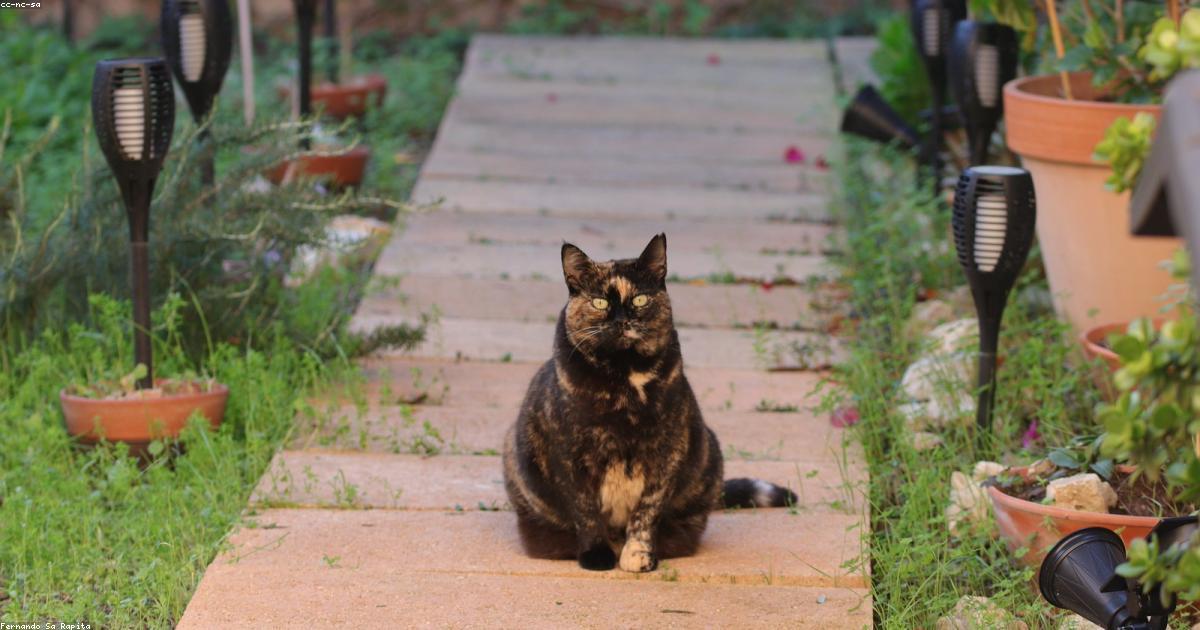
The debate between keeping cats indoors versus letting them roam outside has long divided pet owners. But according to a growing body of veterinary research, the numbers tell a clear story: indoor cats live significantly longer than their outdoor counterparts, often by a factor of two or more.
The average indoor cat lives between 12 and 18 years, with many reaching their early twenties. Outdoor cats, by contrast, have an average lifespan of just 5 to 7 years. The gap is so dramatic that veterinarians across the country are increasingly urging cat owners to keep their pets inside.
“The risks outdoor cats face are enormous and constant,” said Dr. Priya Sandoval, a feline medicine specialist at the Colorado Veterinary Medical Center. “Cars, predators, disease, toxins, territorial fights — every time a cat walks out the door, it enters a gauntlet of threats that indoor cats simply never encounter.”
Infectious disease is one of the biggest factors. Outdoor cats are far more likely to contract feline immunodeficiency virus, feline leukemia, and upper respiratory infections through contact with other cats. Many of these diseases are chronic, debilitating, and ultimately fatal.
Traffic accidents remain the leading cause of death for outdoor cats in urban and suburban areas. Studies estimate that millions of cats are killed by vehicles each year in the United States alone. Even cats that survive collisions often suffer injuries that significantly reduce their quality of life.
Parasites present another major concern. Outdoor cats frequently pick up fleas, ticks, intestinal worms, and toxoplasmosis — a parasitic infection that can also pose health risks to their human owners, particularly pregnant women and immunocompromised individuals.
Critics of the indoor-only approach argue that cats need outdoor stimulation for their mental health. Veterinarians acknowledge this concern but say it can be addressed without the risks. Environmental enrichment — including climbing structures, puzzle feeders, window perches, and interactive play — can satisfy a cat’s natural instincts safely.
“A bored indoor cat is a problem, but the solution is enrichment, not exposure to danger,” Dr. Sandoval explained. “Catios, leash training, and structured play sessions give cats outdoor experiences without the life-threatening risks.”
The environmental argument adds another dimension. Outdoor cats are estimated to kill billions of birds and small mammals annually, making them one of the leading causes of wildlife decline in many regions. Keeping cats indoors benefits not just the cats, but entire ecosystems.
For owners considering the transition from outdoor to indoor life, veterinarians recommend a gradual approach. Slowly reducing outdoor time while increasing indoor stimulation helps cats adjust without undue stress. Most cats adapt fully within a few weeks.