When wildlife rehabilitator Sophie Ashworth found three fox cubs huddled beside their dead mother on a quiet road in the English countryside, she knew the odds were not in their favor. Orphaned fox cubs younger than four weeks rarely survive in captivity. These three were barely two weeks old, their eyes still closed, their reddish fur barely more than fuzz.
“They were cold, hungry, and completely helpless,” Sophie recalled. “I wrapped them in a towel and drove straight home. I did not even think about whether I could do it. I just knew I had to try.”
Sophie, who operates a small wildlife rehabilitation center from her farmhouse in Devon, England, has been caring for injured and orphaned wildlife for eighteen years. She has raised badgers, hedgehogs, deer, and dozens of birds. But fox cubs, she says, are in a category of their own.
“Foxes are incredibly intelligent and incredibly sensitive,” she explained. “They bond quickly, which makes them easy to care for but very difficult to release. The goal of rehabilitation is always to return the animal to the wild. If a fox becomes too attached to humans, that goal becomes nearly impossible.”
Sophie named the three cubs Bramble, Thistle, and Fern. For the first three weeks, she fed them every two hours around the clock using a tiny syringe filled with specialized canid milk replacer. She kept them in a heated enclosure and handled them only when necessary, always wearing gloves to minimize the transfer of human scent.
As the cubs grew, Sophie gradually shifted them from bottle feeding to solid food, starting with raw mince and eventually introducing whole prey items like mice and chicks, the diet they would need to hunt for themselves in the wild. She also began the painstaking process of reducing human contact.
“This is the hardest part,” Sophie admitted. “You raise these animals from birth. You feed them, clean them, stay up all night worrying about them. And then you have to teach them to be afraid of you. You have to undo the trust you built, because that trust will get them killed in the wild.”
At eight weeks, the cubs were moved to a large outdoor enclosure with natural vegetation, hiding spots, and minimal human visibility. Sophie installed cameras to monitor their development and placed food at unpredictable times to simulate the irregular feeding patterns of wild foraging. She stopped entering the enclosure entirely, delivering food through a hatch.
By twelve weeks, the cubs were displaying classic wild fox behaviors: hunting insects, digging, play-fighting with each other, and retreating to cover when they heard unfamiliar sounds. Sophie knew they were ready.
The release was carefully planned. Sophie chose a location far from roads, with abundant prey, water, and den sites. She opened the enclosure door at dusk, the time when foxes are most active, and withdrew to watch from a distance.
Thistle went first, slipping through the door and vanishing into the undergrowth without looking back. Fern followed minutes later. Bramble, the smallest and most cautious of the three, sat at the threshold for nearly an hour before finally stepping out, sniffing the air, and trotting into the darkness.
“I cried,” Sophie said. “I always cry. But they are happy tears. This is the whole point. You raise them so you can let them go.”
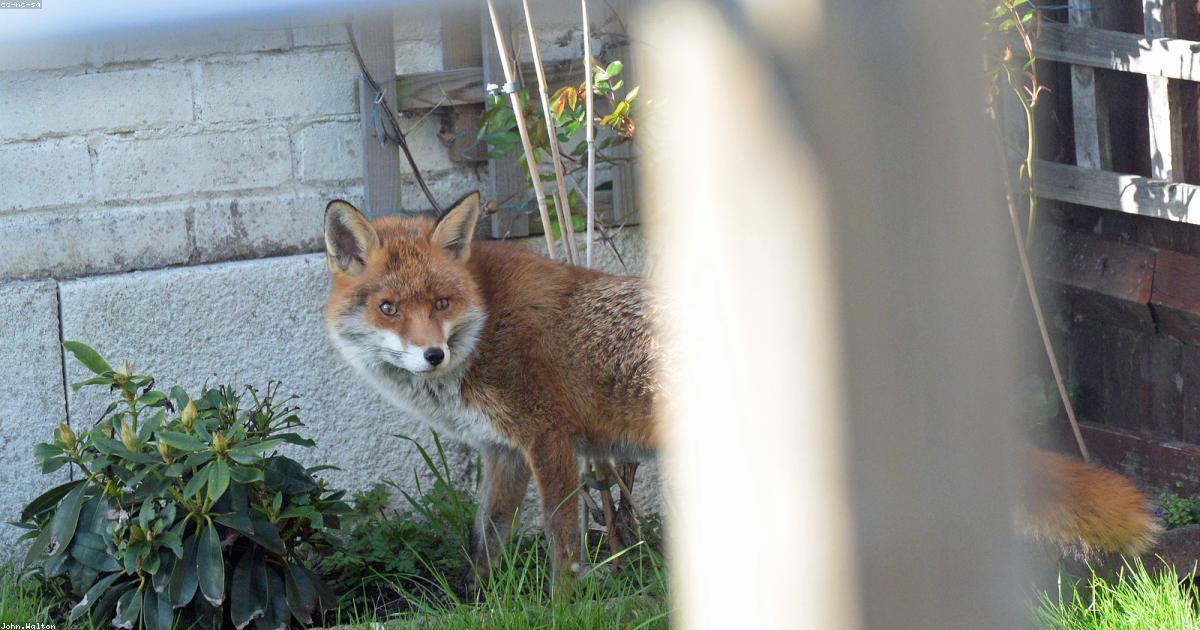
Sophie monitored the release site for several weeks using trail cameras. All three cubs were spotted multiple times, healthy and active, exploring their territory and beginning to hunt independently. By the third week, they had dispersed in different directions, a natural behavior for young foxes establishing their own ranges.
“They do not need me anymore,” Sophie said, reviewing the trail camera footage with a quiet smile. “And that is the greatest success I could ask for.”